Late on a moist Friday night at a regional sporting activities ground in Gosnells, play stopped for a really different reason. A guy in his 50s had actually collapsed near the sideline. Two individuals ran over. One looked for a reaction and breathing, the various other got hold of a phone and screamed for the AED. Within a min, upper body compressions had begun. By the time paramedics got here, the man had received 2 shocks from the defibrillator and Learn here continual, solid compressions. He survived.

Encounters similar to this are not unusual. Many out‑of‑hospital cardiac arrests take place in everyday areas, with family members, colleagues, or colleagues nearby. In Australia, survival after out‑of‑hospital heart attack is normally in the single digits to low teenagers, yet when an onlooker begins CPR promptly and an AED is made use of within minutes, survival can increase severalfold. That is why first aid training in Gosnells is not simply a certificate, it is a neighborhood asset.
Why a few mins make the difference
Cardiac arrest is an electric issue. The heart all of a sudden stops pumping effectively, generally since the rhythm becomes disorderly. Without blood flow, mind cells start to endure within minutes. Every minute without CPR and defibrillation decreases the chance of survival by approximately 7 to 10 percent. Those are not terrify strategies, they are the numbers several rescue services and the Australian Resuscitation Council base their support on.
Here is the hopeful part. Upper body compressions reduce the clock. Excellent compressions circulate a fraction of regular blood flow, which buys time for the defibrillator and the paramedics. An AED can reset the heart if the rhythm is shockable, which chance is highest possible early on. So the objective is basic: identify apprehension quickly, call 000, start compressions, and use an AED as soon as it appears.
Cardiac arrest is not a heart attack
The terms obtain jumbled in conversation. A cardiovascular disease is a blood circulation issue in the heart muscle, usually an obstructed artery. The person is awake, usually in pain, occasionally nauseated or perspiring. Cardiac arrest is an unexpected failure of the heart to pump. The person falls down, stops breathing generally, and becomes unresponsive.
Because cardiovascular disease can tip into apprehension, think Provide First Aid course about them as 2 ends of a range. If a person in Gosnells suffers chest discomfort or stress that lasts more than a few minutes, call 000 very early. If that very same individual unexpectedly quits responding and is not taking a breath typically, switch right into arrest mode without delay.
The unmistakable indicators of cardiac arrest
- The individual is unresponsive despite a company shoulder squeeze and loud voice. There is no normal breathing. You could see wheezing or snorting in the initial minutes. That is agonal breathing, not regular breathing. You can not feel typical signs of life. If you are educated, look for a carotid pulse for no more than 10 secs, but do not delay compressions if unsure. The collapse is abrupt, occasionally preceded by a short seizure‑like shake.
If your mind is divided in between maybe and yes, act as if it is cardiac arrest. Starting CPR on a person who still has a pulse is uncommon if you look for responsiveness and breathing effectively, and the risk of small bruising is much exceeded by the price of waiting when the heart has currently stopped.
The CPR series that operates in real life
- Call 000, put the phone on audio speaker, and send out somebody for an AED. Start chest compressions in the center of the chest, 100 to 120 per minute, depth about 5 to 6 cm in grownups. Allow the breast completely increase each time. After 30 compressions, offer two breaths if educated and geared up, with a head tilt and chin lift. If you can not or favor not to give breaths, do constant compressions. Apply the AED as soon as it shows up. Transform it on, follow the motivates, maintain hands off throughout evaluation, provide a shock if recommended, and reactivate compressions immediately. Rotate compressors every 2 minutes to stop tiredness. Maintain going up until the individual wakes, an AED claims no further analysis is needed and the individual is responsive, or paramedics take over.
Those steps line up with Australian Resuscitation Council advice that underpins CPR courses in Gosnells. The rhythm might not really feel smooth initially. That is typical. Good CPR has to do with consistency, not elegance. Suspend loud, keep your shoulders over your hands, and use your body weight rather than just your arms.
Using an AED with confidence in Gosnells
Automated exterior defibrillators reside in more places around Gosnells than the majority of locals realise. Community centers, fitness centers, colleges, clubs, and lots of workplaces maintain them in visible closets. Some are keypad secured to stop burglary, with the code presented on the closet itself or supplied by 000 when you call. St John WA maintains a public defibrillator map for Western Australia, which deserves a look during daylight as opposed to in the panic of an emergency.
An AED is developed for laypeople. Open up the lid or press the power button. The tool speaks in tranquility, step‑by‑step sound. Subject the upper body, peel off the pads, and stick them where the layout reveals, usually one listed below the appropriate collarbone and the various other on the left side of the chest below the underarm. If the chest is extremely perspiring, clean it quickly. If it is extremely hirsute, use the provided razor to clear pad‑sized locations. If there is a pacemaker bulge, position the pad a couple of centimeters away from the device.
During evaluation, maintain hands off. If the device recommends a shock, make certain no one is touching the individual. Claim noisally, stand clear, and press the blinking button when motivated. Then leap right back into compressions. Modern AEDs will certainly reanalyse every 2 mins or so.
Do not be timid regarding making use of an AED. You can not make the situation even worse by using it. If the heart is not in a shockable rhythm, the AED will certainly not supply a shock. Defibrillators are remarkably safe when utilized as directed.
Adjusting strategy for children and infants
The principles are the same, the hands transform. For a youngster from concerning one year to the age of puberty, compress about one third the chest depth, about 5 centimeters, making use of one or two hands depending upon the dimension of the youngster and the rescuer. For a baby under one year, press concerning one third the breast depth, roughly 4 cm, with 2 fingers on the breastbone simply listed below the nipple line, or the two‑thumb encircling strategy if there are 2 rescuers.
Breaths count much more in children than adults, due to the fact that respiratory issues are a more common source of pediatric arrest. If you can ventilate with a barrier tool, use the 30 compressions to 2 breaths proportion for single rescuers or 15 to 2 if there are 2 experienced rescuers. If you are alone, perform about 2 minutes of CPR before leaving to call 000, unless you can get in touch with speaker.
Most AED pads are designed for grownups, but several AEDs have pediatric pads or a child mode. If pediatric pads are available, use them. If not, use adult pads without delay, taking care they do not touch each other. Conserving time matters greater than perfect pad size.
Drowning, injury, and various other special situations
Not all arrests begin the very same. In drowning, oxygen deprivation is the key issue. As quickly as the person is out of the water and on a company surface area, start with five preliminary rescue breaths if you are trained, after that continue with compressions and breaths. Get rid of wet apparel only if it is preventing pad bond, and completely dry quickly where the pads will certainly go.
In major trauma with severe blood loss, control life‑threatening hemorrhage as early as possible. If you see a catastrophic hemorrhage, apply straight pressure or a tourniquet before or together with starting compressions, since unchecked bleeding will certainly defeat your efforts.
In maternity, position a towel or folded up jacket under the female's best hip to tilt her slightly left. This minimizes pressure from the womb on the significant blood vessel that returns blood to the heart. If an AED is offered, use it generally. Proceed CPR till paramedics show up. In unusual cases, advanced groups may carry out a resuscitative shipment on scene. Your function is to maintain the blood moving.
With presumed opioid overdose, you might see slow or absent breathing and identify students. If the individual is less competent and not breathing usually, begin CPR. If naloxone is readily available and you are trained to use it, provide it promptly while compressions proceed. Even when opioids are the reason, chest compressions and rescue breathing are still critical.
Pacemakers, implanted defibrillators, and breast augmentation do not transform whether you try resuscitation. Place pads near, out top of, tools or surgical marks when possible.
Teamwork on a walkway or factory floor
Real emergency situations are noisy, crowded, and unpleasant. Great groups create quickly when someone takes ownership. One person works with, designates, and views the clock. Another presses. A 3rd manages the airway and breaths. A 4th runs the AED. If there are extra hands, they clear space, compete the defib, flag down the rescue, or turn in for compressions.
Fatigue ruins compressions. After concerning 2 mins, also strong rescuers start to shed deepness and pace. Modification compressors at every AED analysis or at clear time points. Make use of a metronome on a phone readied to 110 beats per min if rhythm wanders. I have seen this straightforward trick raise the top quality of CPR immediately.
Speak plainly. Words like stop, shock, and swap require to be heard and recognized. Point to individuals when you designate work. Stay clear of questions like can a person get the AED. Use straight instructions like you in heaven tee shirt, AED from function, code is 0000, run.
Common mistakes and just how to prevent them
The first is being reluctant as well long. If you can not find regular breathing, begin compressions. The second is shallow deepness. Aim for 5 to 6 cm on adults. That can feel deep. Depend on the numbers. The third is leaning on the chest. Full recoil between compressions issues because it allows the heart refill. The fourth is quiting compressions for as well lengthy. Every time out lowers blood circulation. Also during AED pad positioning, try to keep compressions going up until the device instructs you to stand clear.
There is likewise the human propensity to cluster in. Create room. Ask non‑essential individuals to go back. Setting on your own with straight arms and your shoulders over your hands. If you are smaller sized than the patient, kneel near to the upper body to allow your weight job for you.
Finally, do not neglect safety and security. Seek threats like live electrical energy, web traffic, or a gas leakage. In Gosnells, roadside events prevail sufficient that vehicle parking autos to shield the scene and making use of risk lights can stop a second disaster.
Legal protection for spectators in Western Australia
Many people stress over doing the wrong point. Western Australia has Do-gooder protections that secure people that make aid in an emergency situation, supplied they act in excellent confidence and without gross carelessness. You are not expected to do like a paramedic. You are anticipated to try to help. If you call 000 and adhere to the operator's guidance, you are acting reasonably.
CPR, making use of an AED, managing blood loss, and putting a person in the recuperation setting autumn squarely within the scope of assistance that Do-gooder laws consider. In training, we talk about these defenses since they release your hands and mind when secs count.
After the alarms: taking care of the rescuer
Finishing a resuscitation attempt leaves a mark. You could really feel unstable for hours, flat for days, or short-tempered at odd times. These are regular responses to a high‑stakes event. Debrief with colleagues or household. If your office has a worker assistance program, use it. St John WA and other services can direct you towards peer support if you require it.
If you used an AED from a public cupboard in Gosnells, return it promptly or let the custodian know so they can change pads and batteries. If the incident took place at the workplace, document it precisely. Training companies often welcome feedback or concerns after real‑world occasions, and a brief follow‑up can transform a stressful memory into learning.
What high‑quality CPR seems like when you are doing it right
Compressing at the correct deepness and price has an unique rhythm. You need to feel the breast bone provide under your hands, after that return completely. Your elbow joints stay locked, your upper body steps as a system, and your knees take the stress. If you discover your hands approaching or down the upper body, reset to the facility of the reduced half of the breast bone. If sweat or exhaustion compromises your position, swap out.
Breaths should just raise the breast, not inflate it like a balloon. Over‑ventilation can push air right into the tummy and trigger regurgitation. A pocket mask with a one‑way shutoff enhances safety and seal. If you do not have one, compressions‑only CPR still assists significantly in grownups. The proof base for hands‑only CPR as a bridge to defibrillation is solid, specifically in the very first minutes.
Bringing AED access closer to where individuals collapse
AEDs conserve lives when they are close. In Gosnells, it makes good sense for community sports clubs, purchasing locations, and offices with huge foot web traffic to keep a tool on site. Mount them in noticeable locations, signpost clearly, and examine regular monthly. If your group has a defib being in a secured office, that is functionally the same as not having one after hours. Take into consideration a closet with a distinct alarm system, intense signage, and an easy gain access to procedure so club members and bystanders can act quickly.
A small operational detail matters. Stick extra pad sets and a towel in the cabinet. Mark the location in a defibrillator computer registry. Run a fast drill twice a year so people recognize which essential cupboard to open up and which door to prop during an emergency. These tiny actions diminish the moment to first shock.
Training that transforms intention into skill
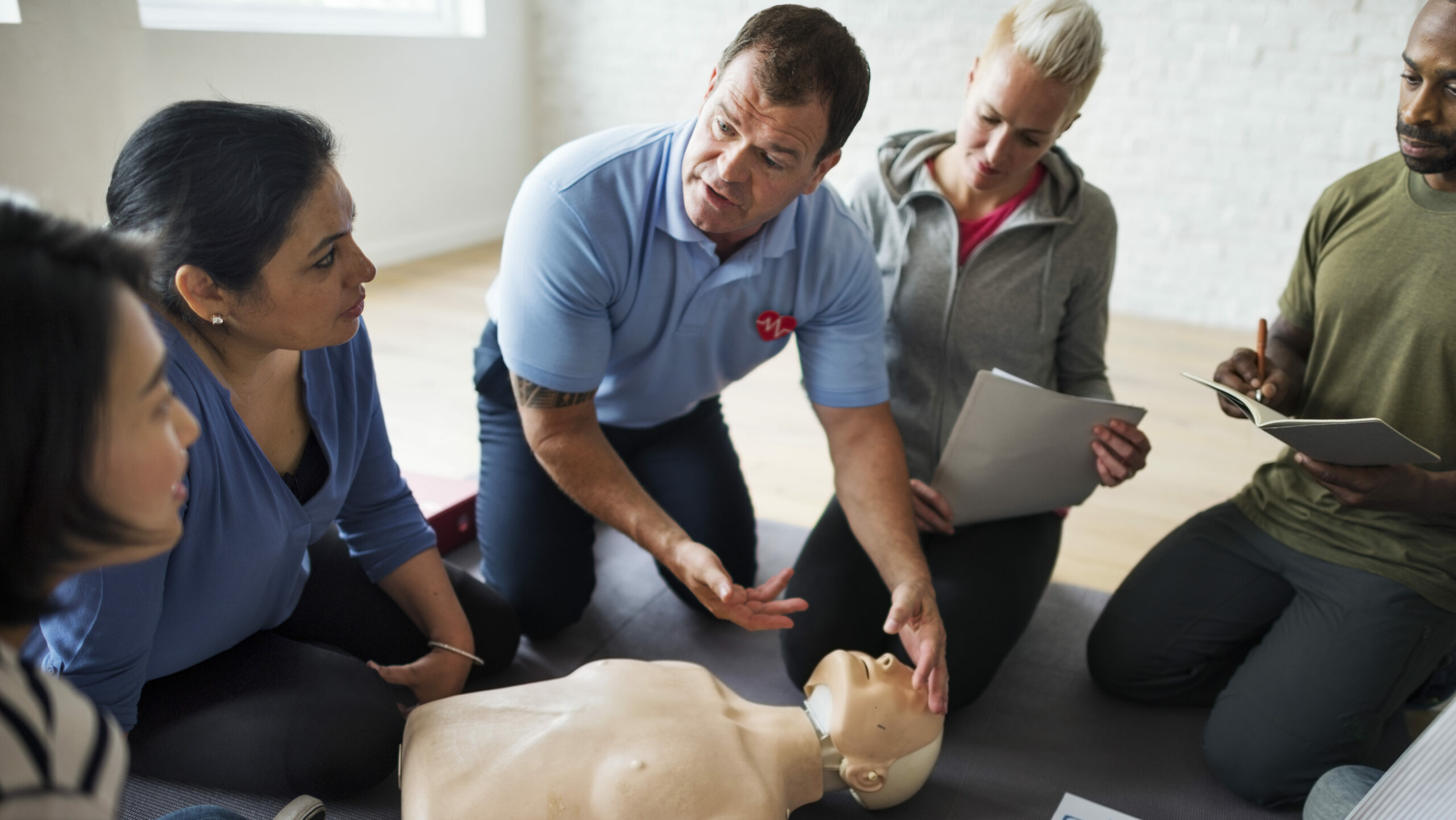
Courses are where you transform theory right into muscle mass memory. In a gosnells first aid course you can exercise compressions to a metronome, feel the correct depth on a feedback mannequin, and troubleshoot the awkward little bits that never show up in shiny diagrams. First aid training Gosnells service providers instruct the DRSABCD strategy, exactly how to manage the airway, exactly how to utilize an AED cleanly, and exactly how to stay safe while doing it.
If you collaborate with children, a first aid and CPR course Gosnells that covers pediatric variants will prolong your self-confidence right into the playground and the parking lot. For groups in construction, manufacturing, or friendliness, gosnells first aid training usually bundles bleeding control, burns, and crush injury administration along with CPR so the skills match the risks on site.
Providers like First Aid Pro Gosnells and other neighborhood organisations run sessions during the week and on weekends. A cpr course gosnells typically competes a few hours, while a full first aid course in Gosnells can take a day, relying on the device of competency. Several deal blended knowing, with online theory before a face‑to‑face sensible. If you need a first aid certificate Gosnells for work conformity, check that the course fulfills national criteria and that the certificate specifies the proper devices, such as HLTAID009 for CPR and HLTAID011 for Provide Very First Aid.
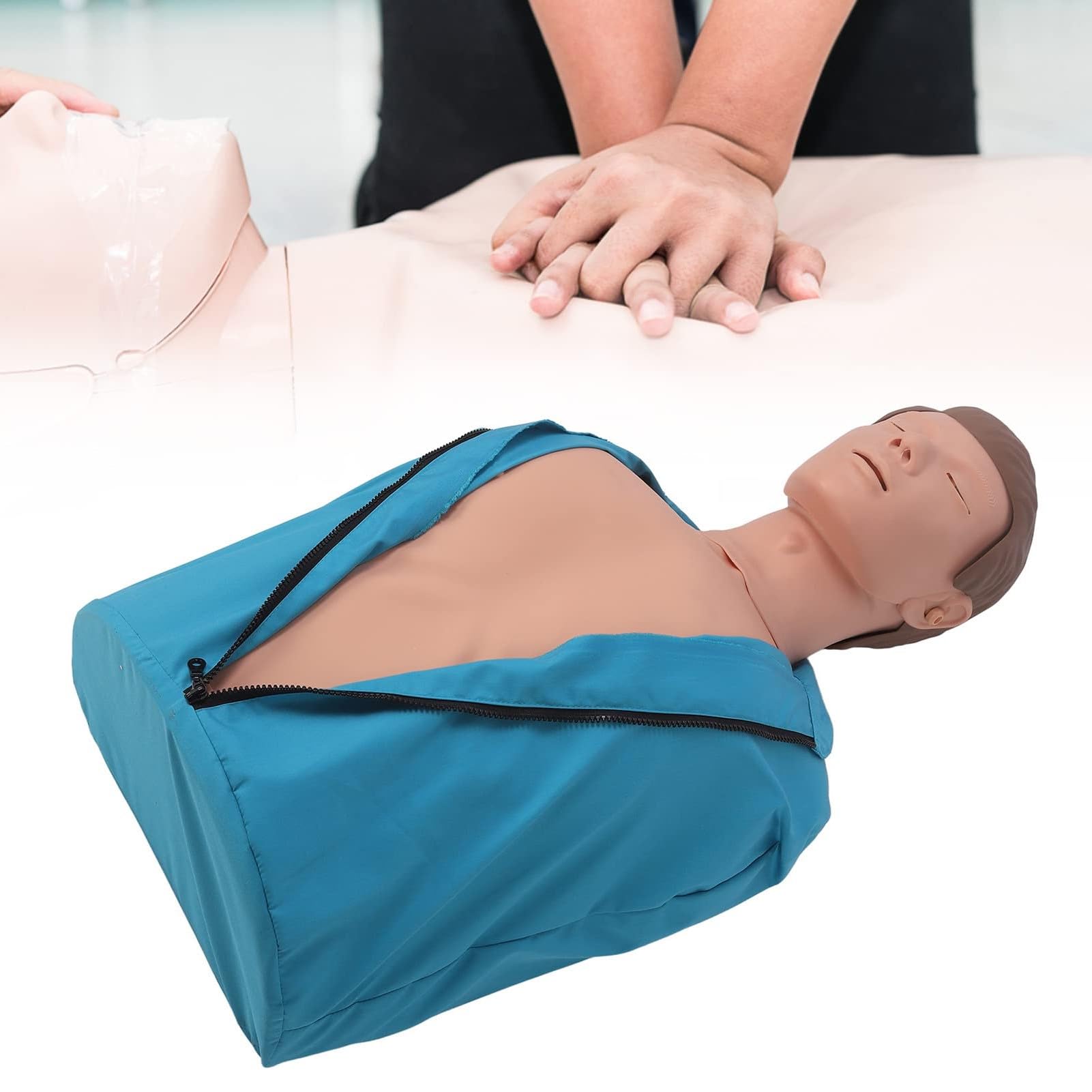
For individuals that finished training in 2014, a cpr correspondence course gosnells is worth reserving. The Australian Resuscitation Council advises rejuvenating CPR skills at the very least every twelve month due to the fact that strategy rots without practice. First aid and CPR courses Gosnells frequently provide scenario‑based refresher courses that imitate the sound and pressure of real calls rather than just duplicating textbook steps.
Choosing the right course for your purpose
Match the material to the context. If your goal is home readiness and you intend to focus on apprehension acknowledgment, compressions, and AED use, a targeted cpr training gosnells session might suffice. If you handle a group at a storage facility, check out first aid courses gosnells that include injury care, cracks, and environmental emergency situations. For sporting activities trainers, blending CPR with blast monitoring and heat illness makes sense.
Ask sensible questions prior to reserving. How many participants per mannequin. Does the instructor usage comments tools that show depth and rate. Will you practice with an AED trainer and do at the very least two complete DRSABCD run‑throughs. Can the course be performed onsite for your team at once that associate changes. Good gosnells first aid courses are hands‑on and realistic.
Building a culture where people tip forward
Equipment and certifications assist, but society is what gets someone from the sideline to the person. Post the emergency number near every phone. See to it reception knows where the AED is and exactly how to open it. During personnel meetings in Gosnells offices, take 90 seconds to point to the defib location. As soon as a quarter, run a little tabletop drill: a hypothetical collapse in the car park at 5.15 pm, who calls 000, that gets hold of the AED, where is the nearest accessibility door.
Share tales. When a team member begins CPR at home on a member of the family, acknowledge it. These conversations tear down the barrier between recognizing and doing. They likewise advise individuals that heart attack is probably to occur where they live, not just on television.
Final thoughts, and an invitation to practice
Recognising cardiac arrest and responding with CPR and an AED is a practical ability you can discover and keep sharp. It is not about memorising a manuscript. It is about comprehending what matters in the very first 3 to 5 minutes. If you live or work locally, a first aid course in Gosnells adds confidence and capacity to your road, club, or production line. Whether you pick a focused cpr gosnells session or a broader first aid and cpr gosnells program, you will leave much better prepared to act.
You will certainly never ever be sorry for beginning compressions early. You will certainly never ever be sorry for activating an AED. And you will not be alone. The 000 call taker will certainly instructor you via the steps, your group will certainly create around you, and the abilities you obtained in gosnells first aid training will do the quiet work they were developed to do.